The Long Way Around
Nineteen years, one line, and a detour through a forest fire.
Tom Lucido
New York · 2007–2017
Reading the crowd.
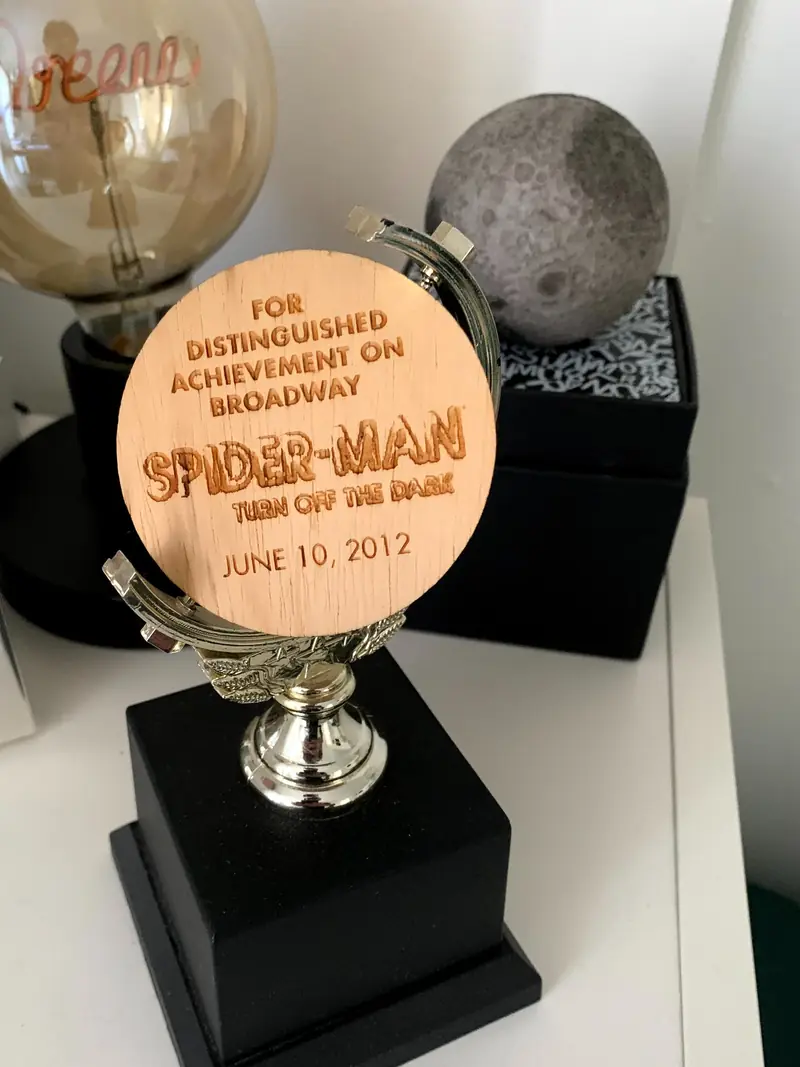
I started in New York selling and planning digital media for people who made things: a theatre company, a hockey arena, a Spider-Man musical that kept injuring its cast.
Then five years in analytics, which is a generous word for what it was: reading what enormous groups of people did, and trying to notice the thing they were doing before anyone said it out loud.
That turned out to be the whole job. I just didn’t know it yet.
InVision · 2018–2020
The expert reader.
At InVision I wrote for designers and engineers, on a blog with 4,000,000 subscribers. It was the first time I was writing for people who knew more than I did about the thing I was writing about.
It’s a very specific kind of terror and I recommend it.
Work & Co · 2020–2022
The story inside the build.
At Work & Co I ran editorial for an agency building things for IKEA, the Met Opera, Givenchy. Site copy, award entries, press pitches: whatever got the work seen. The company roughly doubled while I was there.
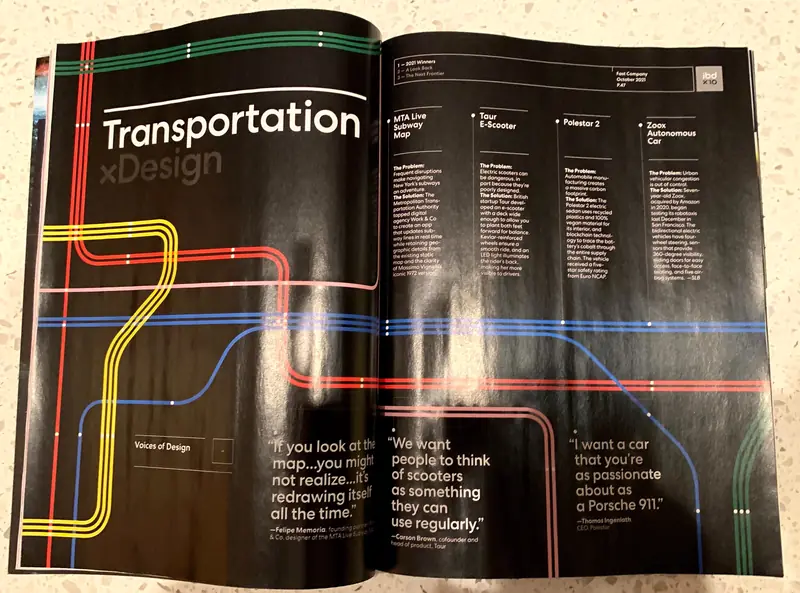
The job was to sit with the engineers who built the thing and work out which part of it was the story. It was almost never the part anyone expected.

The Turn · late 2022
And then I’d been looking at a screen for fifteen years, and the pandemic had made it feel like twenty.
I was thirty-seven, running a lot, and I wanted a job outside that would use it.
So I quit and joined the Forest Service.
Oregon · 2023–2024
Watch the ridgeline.
Willamette National Forest, on the McKenzie River. Six dollars a night for a bunk, and two bathrooms between six of us.
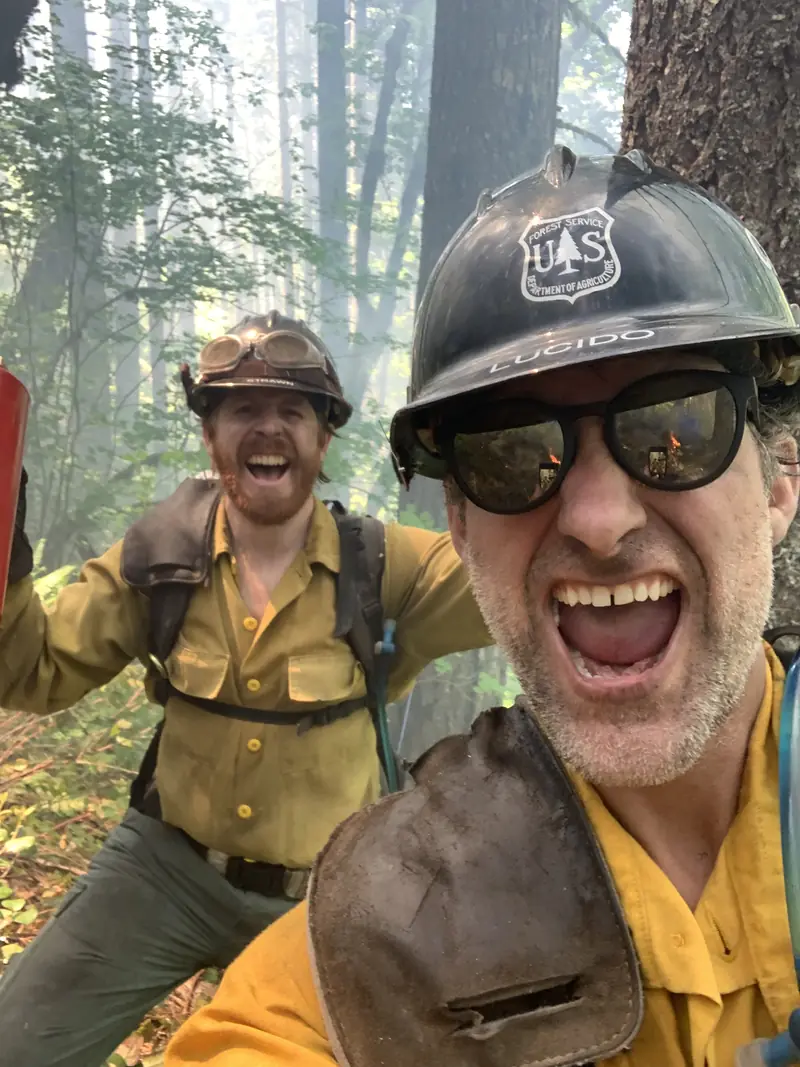
On days with no active fire but high risk, we drove to high points and sat there. That was the assignment. Watch the ridgeline. Wait for something that doesn’t look like anything yet.
The rest of the time I was a swamper on a saw team. The sawyer cuts, and the swamper hauls off what falls. It’s heavy, repetitive, close work beside a running saw, and all of it runs on signals.
On my first real fire, the smoke didn’t look like anything.
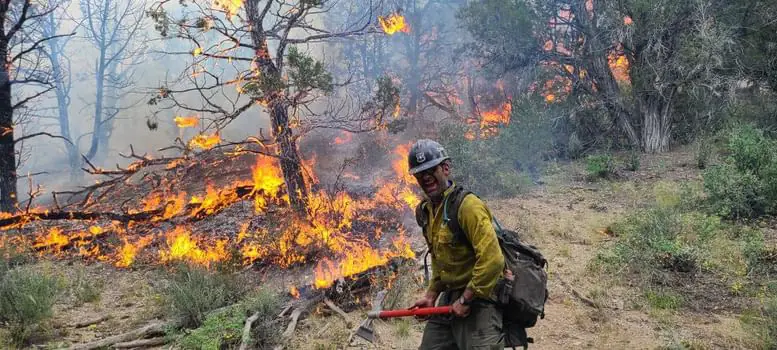
Small hotspots kept jumping the line. We hiked up and down all day. Some hoses burned over and we lost water. By evening our escape route was gone, and we spent the night in the black, eating MREs, waiting for the fire to pass us.
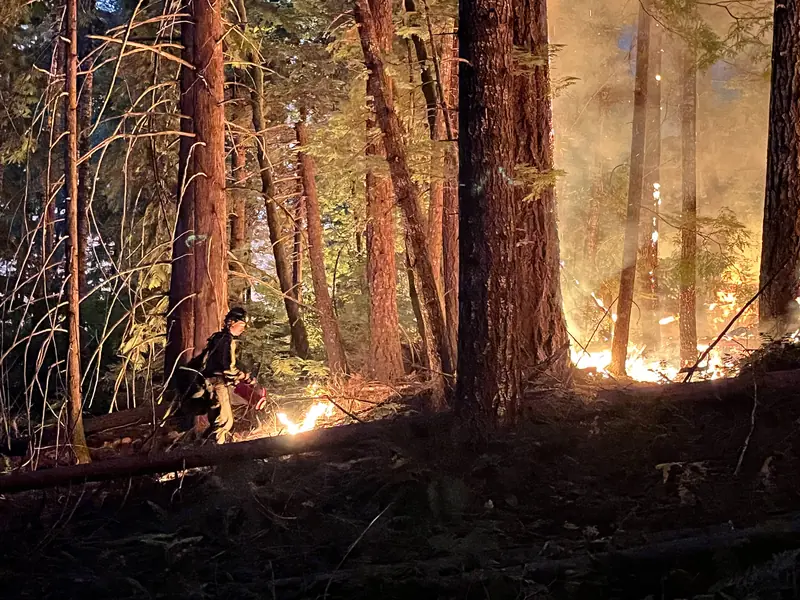
Everyone could see the smoke. The signal was there in the morning and the decision came in the afternoon, and the gap between those two things is the entire story.
The Return · 2024
What I came back with.
I came back to marketing. Not because I missed screens.
Because I’d worked out what I’m good at, which is noticing the thing early and then getting someone to care about it.
And because there were people in Michigan I wanted to be around more than I wanted to be on a mountain.
CloudFactory · 2024–2026
The boring, expensive problem.
Now I write about production AI for the people who build it. Four white papers, each built from interviews with engineers who knew the subject far better than I did, each written to survive their review. 44 posts in nine months, on a calendar that didn’t slip.
The one I’d show you first: an hour with the CIO of a $1.3 billion transit operator, asking him why his drivers kept quitting. Nobody had written about driver retention because driver retention is boring. It was also the most expensive problem he had, and the answer was sitting in operational data nobody was reading. Turnover improved about fifty percent year over year.
And the one I’d show you second, because it says more: I inherited a campaign with a beautiful dashboard. Every week the line went up and to the right. I went looking for the meetings it had booked.
meetings bookedZero meetings booked.
I killed it and rebuilt it as outbound, where a real person talks to a real person. Then I started on the thing that should have been under that dashboard all along.
What I’m building now.
It’s the high-point job again: watch everything, wait for the thing that doesn’t look like anything yet. Except this time I’m building the lookout.
It runs on AI. Agents do the capture: the data, the signals, the first read on what changed overnight, waiting for a person in the morning. Capture is automatic. Decisions are exclusively human.
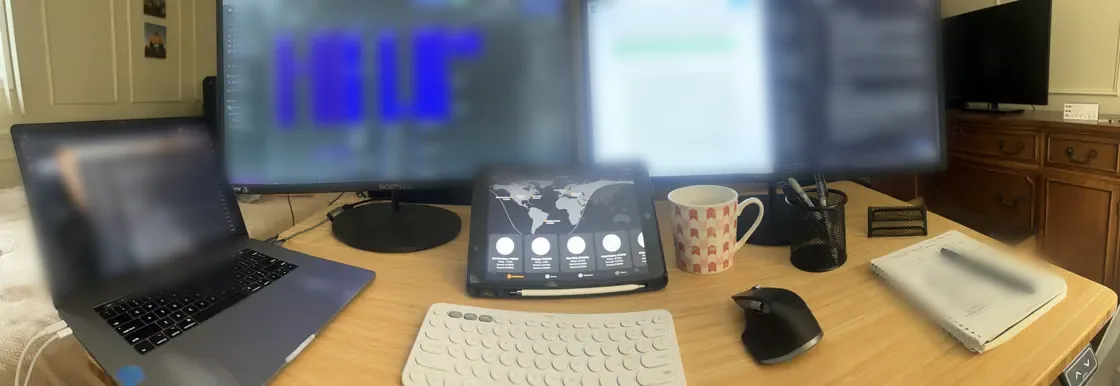
I liked it enough to build one for the rest of my life. It’s called LUCID, and it watches the calendar, the inbox and the half-finished ideas the same way: it notices, and I decide. There’s more about it in Projects.
The pattern · now
Same job, different weather.
Lay the line out flat and every stretch of it looks the same up close.
In New York it was a crowd about to do something. At InVision and Work & Co it was the part of the build nobody thought was the story. On the ridgeline it was smoke in the morning and a decision in the afternoon. At CloudFactory it was a dashboard that looked great and booked nothing.
Each time, the work came down to the same three things.
One
Notice the signal before it looks like anything.
A number drifting. A question nobody has asked on the record. A thin grey line over a ridge.
Two
Get people to care about it.
That’s the writing part. Usually it starts with the person who knows more than I do, and a better question than they expected.
Three
Do it before it gets expensive.
Every problem on this page was small once. The drivers, the dashboard, the hillside.